
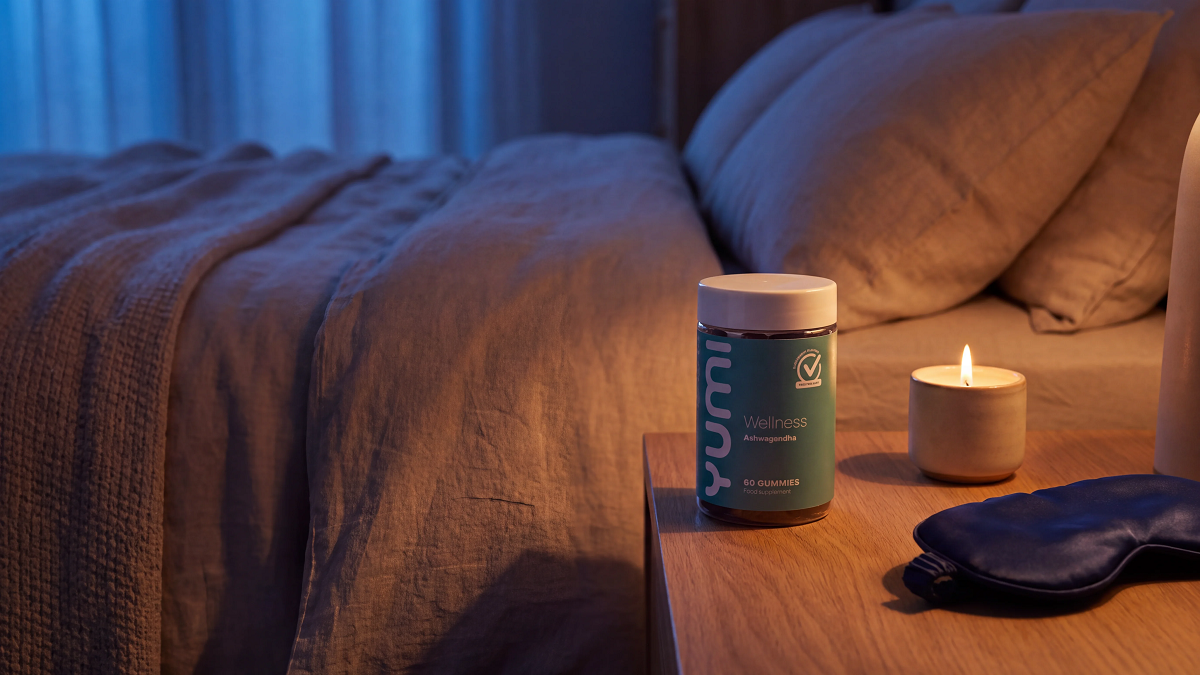
The hours before bed can influence how easily you shift from a busy day into a more peaceful state. Adding simple habits such as a few minutes of gentle evening self-care can help create a clear separation between daytime responsibilities and bedtime without turning your evening into another demanding schedule.
Give Yourself Time to Slow Down
Try to finish important work and household responsibilities before the final part of your evening. When unfinished tasks continue running through your mind, relaxing can become much harder.
Writing tomorrow's priorities in a notebook can be useful. Once they are written down, you may find it easier to stop thinking about them while preparing for bed.
Create Softer Surroundings
Your environment can make a noticeable difference to how your evening feels. As bedtime approaches, consider reducing bright overhead lighting and choosing softer sources of light instead.
A comfortable, quieter room can make the transition towards rest feel more natural. Keeping your bedroom tidy can also remove small distractions that might otherwise keep your attention active.
Step Away From Screens
Phones and other devices can easily take over the last part of the day. A quick message can turn into extended scrolling, keeping your attention focused when you are trying to wind down.
Set aside some screen-free time before bed. Even a short break from notifications can give you an opportunity to read, listen to relaxing music or simply sit quietly.
Make a Warm Shower Part of Your Routine
A warm shower can become a useful signal that your active part of the day is coming to an end. Instead of rushing through it, use those few minutes to step away from work and other responsibilities.
You could follow your shower with comfortable clothing, quiet music or another activity that helps you feel settled.
Choose Something You Actually Enjoy
Relaxation does not have to be productive. Spend some time doing something that feels enjoyable without demanding too much concentration.
Reading a few pages, writing in a journal, listening to music or practicing gentle stretching can all become simple parts of an evening routine. The best choice is one you genuinely enjoy and can repeat regularly.
Release Physical Tension
If you spend much of the day sitting or working at a desk, your shoulders, neck and back may feel tense by evening.
A few slow stretches can help you move out of work mode. Keep the movements comfortable and gentle rather than turning them into an intense workout.
Keep Food and Drinks Comfortable
A very heavy meal close to bedtime may leave you feeling uncomfortable. Give yourself enough time between your evening meal and going to bed, and notice which foods make you feel most comfortable at night.
It can also be useful to limit caffeine later in the day if you notice that it makes relaxing or falling asleep more difficult.
Prepare Your Bedroom for Rest
Small changes can make your bedroom feel more inviting. Straighten your bedding, reduce unnecessary clutter and adjust the room temperature if needed.
Where possible, keep work and other stimulating activities outside the bedroom. Creating a stronger connection between your bedroom and rest can make your evening feel more settled.
Clear Your Mind Before Bed
If tomorrow's responsibilities are occupying your thoughts, write them down. A short list of tasks, reminders or concerns can give your mind somewhere to place them.
You could also note one or two positive moments from the day. This simple habit can encourage you to finish the evening by reflecting on something pleasant rather than focusing entirely on unfinished tasks.
Keep Your Routine Consistent
You do not need a complicated schedule to create a calmer evening. A few repeated actions can become familiar signals that the day is ending.
For example, you might switch off work, lower the lights, put your phone aside, take a warm shower and read before bed. The exact routine is less important than choosing habits that fit your lifestyle.
Make Your Evenings Easier
Start with one or two changes rather than trying to introduce everything at once. A relaxing evening routine should reduce pressure, not become another task list.
Small habits repeated consistently can help create a smoother transition from daytime activity to bedtime. If sleep problems continue regularly despite lifestyle changes, consider speaking with a healthcare professional to discuss possible underlying causes.