
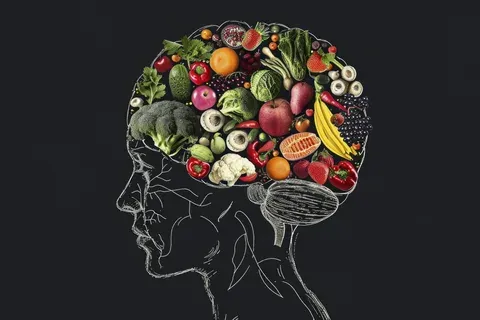
When people think about looking their best, they often focus on skincare products, haircare routines, makeup, or regular salon appointments. These can all have a place in a personal care routine, but there is another factor that is easy to overlook: everyday nutrition.
The foods and drinks you consume provide the nutrients your body needs to carry out countless normal functions. Some nutrients are particularly important for maintaining normal skin, hair, nails, and overall wellbeing. This does not mean that a single food or supplement can transform your appearance overnight. Instead, a consistent, balanced approach to nutrition can complement the other habits that make up your personal care routine.
The good news is that supporting your appearance from the inside does not have to involve a complicated lifestyle overhaul. A few practical habits can make nutrition a more consistent part of your everyday routine.
Why Nutrition Matters for Your Appearance
Your body is constantly working to maintain and replace cells and tissues. Skin is continually renewed, hair grows over time, and nails develop from structures that depend on an adequate supply of nutrients.
A balanced diet provides a combination of protein, healthy fats, carbohydrates, vitamins, minerals, and other nutrients. These nutrients have different roles throughout the body, so focusing on overall dietary quality is generally more useful than concentrating on one particular ingredient.
For example, vitamin C contributes to normal collagen formation, while zinc contributes to the maintenance of normal skin. Biotin contributes to the maintenance of normal hair and skin, and several B vitamins contribute to normal energy-yielding metabolism.
This is why nutrition can be viewed as part of an inside out approach to personal care rather than as a replacement for skincare or haircare.
The Nutrients Worth Knowing About
You do not need to memorize every vitamin and mineral to improve your everyday nutrition. However, understanding a few commonly discussed nutrients can help you make more informed choices.
Protein
Protein is one of the basic building blocks of the body. It can be found in foods such as eggs, fish, poultry, dairy products, beans, lentils, tofu, nuts, and seeds.
Instead of focusing on individual “beauty foods,” aim to include a useful source of protein throughout your regular meals. This is a simple way to improve the overall nutritional quality of your diet.
Vitamin C
Vitamin C is commonly associated with citrus fruits, berries, peppers, tomatoes, and other fruits and vegetables. It has several important functions in the body and contributes to normal collagen formation.
A varied diet can make it relatively easy to include vitamin C regularly. Adding fruit to breakfast, including vegetables with lunch, or choosing colourful produce for dinner are simple ways to increase variety.
Zinc
Zinc is another nutrient that deserves attention. It contributes to the maintenance of normal skin and is involved in numerous normal bodily processes.
Foods containing zinc include meat, shellfish, dairy products, legumes, nuts, and seeds. The amount of zinc your body obtains can depend on your overall dietary pattern, which is another reason variety matters.
Biotin
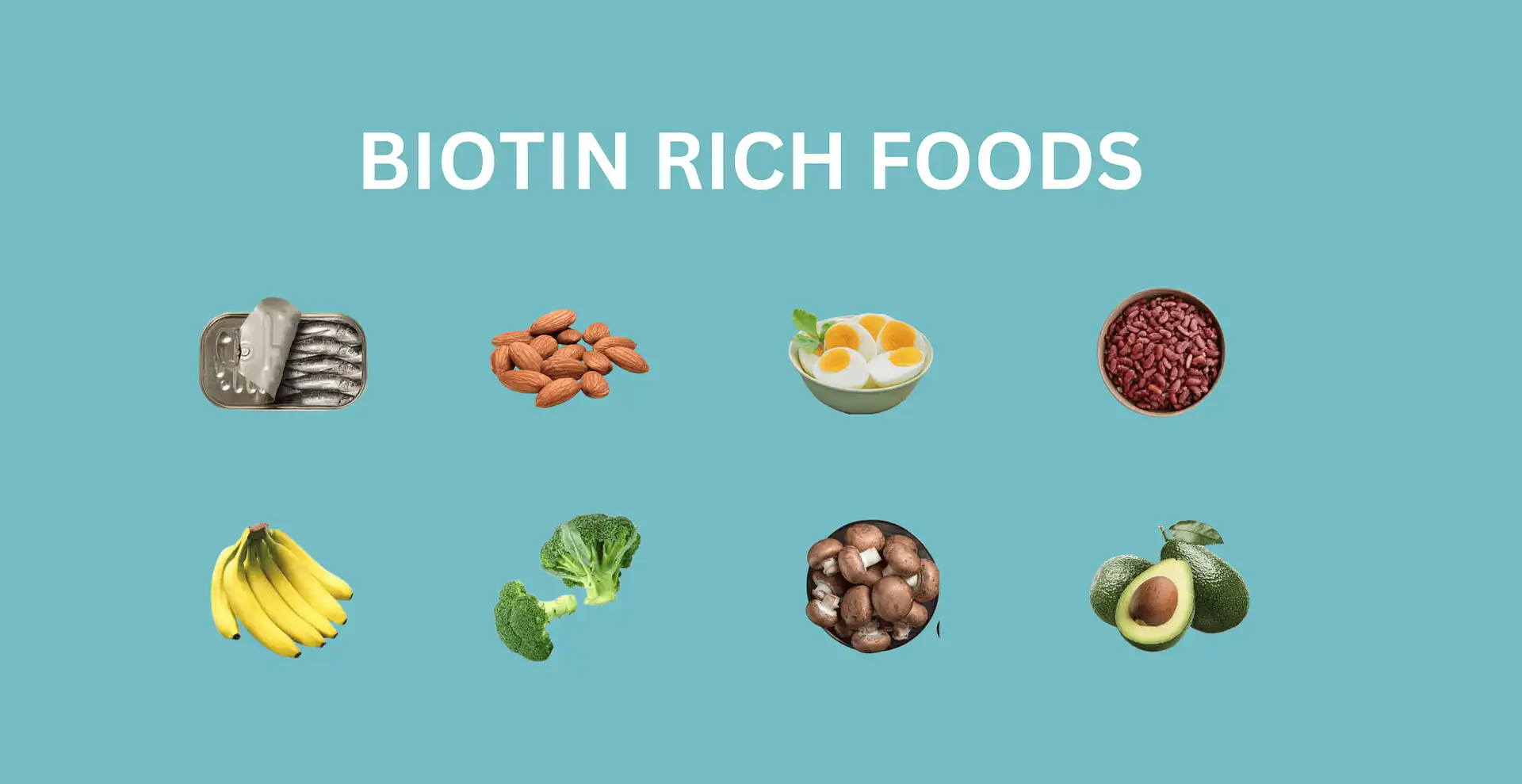
Biotin is often associated with hair and beauty products, but it is also a nutrient found naturally in various foods. It contributes to the maintenance of normal hair and skin.
Eggs, nuts, seeds, fish, and certain vegetables can contribute to dietary biotin intake. As with other nutrients, the goal should be a balanced nutritional pattern rather than relying on a single ingredient.
Vitamins A, D and E

Vitamins A, D, and E each have different roles in normal health.
Vitamin A contributes to the maintenance of normal skin, while vitamin D contributes to the normal function of the immune system and the maintenance of normal bones. Vitamin E contributes to the protection of cells from oxidative stress.
They can be obtained from a variety of foods, including vegetables, fruits, nuts, seeds, eggs, dairy products, and oily fish.
Building an Inside-Out Beauty Routine
A good nutrition routine does not need to be complicated. In fact, the simpler it is, the easier it may be to maintain.
Start by looking at your everyday meals rather than trying to completely change your diet. Are you eating a reasonable variety of foods? Are fruits and vegetables regularly included? Are you getting enough protein? Are you drinking enough fluids?
Once you understand your existing habits, you can make small adjustments.
Start With Your Meals
One of the easiest approaches is to make your regular meals more varied.
Try adding different colours of vegetables, rotating your protein sources, choosing whole grains where appropriate, and including fruit as part of your normal eating pattern.
This approach is more sustainable than trying to follow a highly restrictive diet for a short period.
Don't Forget Hydration

Hydration is another basic part of everyday wellbeing. Water should generally be your main source of fluids, although individual needs can vary depending on factors such as activity, weather, and diet.
Keeping a reusable water bottle nearby can be a surprisingly effective reminder to drink regularly.
Think About Consistency
People often look for dramatic changes when improving their personal care routine, but consistency is usually more practical.
Eating a balanced breakfast once is not going to transform your routine. Doing it regularly, while maintaining a varied diet over time, is a much more sensible approach.
The same principle applies to skincare, exercise, sleep, and other lifestyle habits.
Where Supplements Can Fit In
For some people, supplements can be a convenient way to complement their normal diet. They can be particularly useful when someone finds it difficult to consistently obtain certain nutrients through food alone.
However, supplements should complement and not replace a varied and balanced diet.
If you are considering a beauty focused supplement, it can be useful to look beyond the front of the packaging and check the full ingredient and nutrient information.
For example, people interested in making beauty nutrition part of their routine can explore options such as beauty nutrition and review the nutrients included in the formula.
The important point is to treat a supplement as one part of a broader routine rather than expecting it to compensate for an inconsistent diet.
Common Nutrition Mistakes to Avoid
Improving your nutrition does not mean you need to follow every trend you see online. Some approaches can actually make things more complicated than necessary.
Focusing on One “Magic” Ingredient
There is always a new ingredient being promoted as the secret to better hair, skin, or nails. While individual nutrients can certainly have important functions, your overall dietary pattern matters too.
Instead of asking, “What is the one ingredient I need?” consider whether your meals provide a reasonable variety of nutrients.
Cutting Out Too Many Foods
Highly restrictive diets can make it harder to obtain a broad range of nutrients. Unless you have a specific dietary requirement or medical reason, there is usually little benefit in unnecessarily eliminating large groups of foods.
A varied approach gives you more options.
Expecting Instant Results
Nutrition works differently from a cosmetic product that produces an immediate visual effect. Your body uses nutrients as part of normal biological processes, and visible changes when they occur can take time.
This is why sustainable habits are generally more useful than short-term fixes.
Ignoring the Rest of Your Lifestyle
Nutrition is only one piece of the puzzle.
Sleep, physical activity, stress management, personal hygiene, skincare, sun protection, and genetics can all influence how you look and feel.
A healthy routine should therefore be viewed as a collection of habits rather than a single product or ingredient.
Simple Habits You Can Start Today
You don't need to completely redesign your lifestyle to take better care of yourself from the inside out.
Here are a few realistic habits to consider:
- Add one extra serving of fruit or vegetables to your day.
- Include a source of protein with your main meals.
- Choose a wider variety of foods throughout the week.
- Keep water available during the day.
- Avoid relying heavily on highly processed foods.
- Pay attention to the nutritional information on packaged products.
- Create a consistent breakfast or lunch routine.
- Make your personal care habits enjoyable rather than complicated.
- Give new habits enough time to become part of your routine.
- Focus on overall wellbeing rather than chasing one specific result.
Small changes are often easier to maintain because they do not require you to completely change your lifestyle.
The Bottom Line
Looking after your appearance can involve much more than what you put on your skin or hair. Nutrition provides the body with the nutrients required for normal functions, making it a worthwhile part of an overall personal care and wellness routine.
The most sensible approach is not to search for one miracle ingredient. Instead, focus on eating a varied and balanced diet, staying hydrated, maintaining healthy lifestyle habits, and choosing supplements thoughtfully when they make sense for your individual routine.
An inside-out approach is ultimately about consistency. Rather than trying to change everything at once, choose a few realistic habits and make them part of everyday life. Over time, those small choices can become a sustainable foundation for your overall wellbeing and personal care routine.